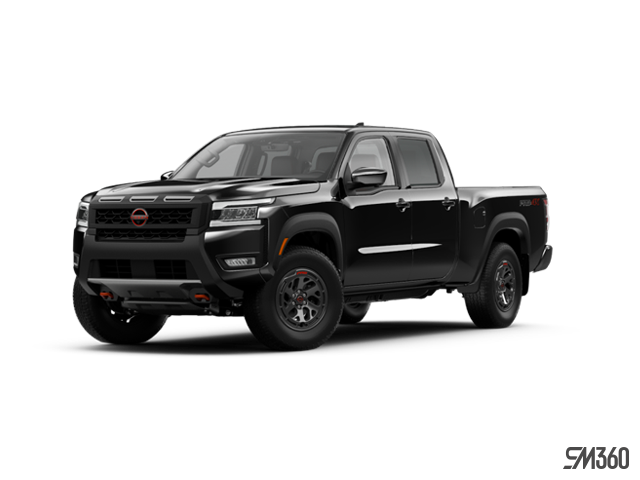
Spring in the Maritimes brings warmer weather, melting snow, and the ideal opportunity to prepare your Nissan for the driving season ahead. After months of salt, slush, and cold temperatures, your vehicle deserves attention to ensure it performs reliably through spring and summer. From checking fluids to inspecting suspension components, a thorough spring maintenance routine helps protect your investment and keeps you safe on the road.
Whether you drive an Armada, Rogue PHEV, Pathfinder, ARIYA, or LEAF, understanding your vehicle's specific maintenance needs makes all the difference. This guide covers essential spring maintenance tasks that every Nissan owner should prioritize, along with model-specific considerations that help you get the most from your vehicle.
Inspect Your Suspension System
Winter driving takes a toll on suspension components. Potholes, frost heaves, and uneven road surfaces stress springs, shock absorbers, and related parts. Spring is the ideal time to have your suspension inspected for signs of wear or damage.
Different Nissan models feature distinct suspension designs that require specific attention. The 2026 Armada lineup showcases this variety across its trim levels. The Armada SL and NISMO trims use independent double wishbone front suspension with coil spring and shock absorber, paired with independent double wishbone rear suspension where the coil spring and shock absorber are separated. The NISMO trim adds NISMO-tuned suspension for enhanced performance characteristics.
The Armada RO-4X and Platinum Reserve Captain's Chairs trims feature Adaptive Electronic Air Suspension as standard equipment. These trims use independent double wishbone front suspension with air spring and shock absorber, paired with independent double wishbone rear suspension with air spring and shock absorber separated from the coil spring. The air suspension system adapts to driving conditions and load, providing both comfort and capability.
The 2026 Rogue PHEV takes a different approach with its unibody construction. It features independent strut front suspension with coil springs and a stabilizer bar, paired with independent multi-link rear suspension and a stabilizer bar. This setup balances ride comfort with handling precision while accommodating the plug-in hybrid powertrain.
Have a qualified technician inspect all suspension components for leaks, worn bushings, damaged springs, or compromised shock absorbers. Addressing issues now prevents more costly repairs later and ensures your Nissan handles properly.
Check Fluids and Filters
Winter conditions demand more from your vehicle's fluids. Engine oil, coolant, brake fluid, and windshield washer fluid all work harder in cold weather. Spring maintenance should include checking fluid levels and condition, replacing fluids as needed based on your maintenance schedule.
Engine oil breaks down over time and loses its protective properties. If you switched to a winter-weight oil, consider whether your driving conditions warrant a change to a different viscosity for warmer months. Consult your owner's manual for recommended oil specifications.
Coolant protects your engine year-round, not just in winter. Check the coolant level and condition, looking for contamination or discoloration. Brake fluid absorbs moisture over time, which can reduce braking performance. Have it tested and replaced if necessary.
Replace your cabin air filter if it has not been changed recently. Winter driving kicks up more road salt and debris, which can clog the filter and reduce air quality inside your vehicle. A fresh filter improves airflow and helps your climate control system work efficiently.
Address Winter Charging Considerations for Electric Models
If you drive a 2026 LEAF, spring maintenance includes evaluating your winter charging experience and understanding how your vehicle's systems support battery health. The LEAF features an enhanced battery thermal management system that captures wasted heat from the drive motor and on-board charger, re-purposing that heat to warm the battery to its ideal temperature range.
The battery pack is sealed by a resin cover, providing protection from the elements. The LEAF also includes a standard, energy-efficient heat pump to help warm the cabin without draining the battery excessively. These systems work together to optimize winter charging and driving range.
As temperatures rise in spring, you may notice improved charging efficiency and range. This is normal as the battery operates more efficiently in moderate temperatures. Continue following recommended charging practices, and monitor your battery's health through the vehicle's information system.
The 2026 ARIYA also benefits from advanced thermal management technology. While specific spring maintenance needs vary by model, all Nissan electric vehicles are designed to handle Canadian climate conditions with proper care and attention.
Inspect Tires and Consider Seasonal Changeover
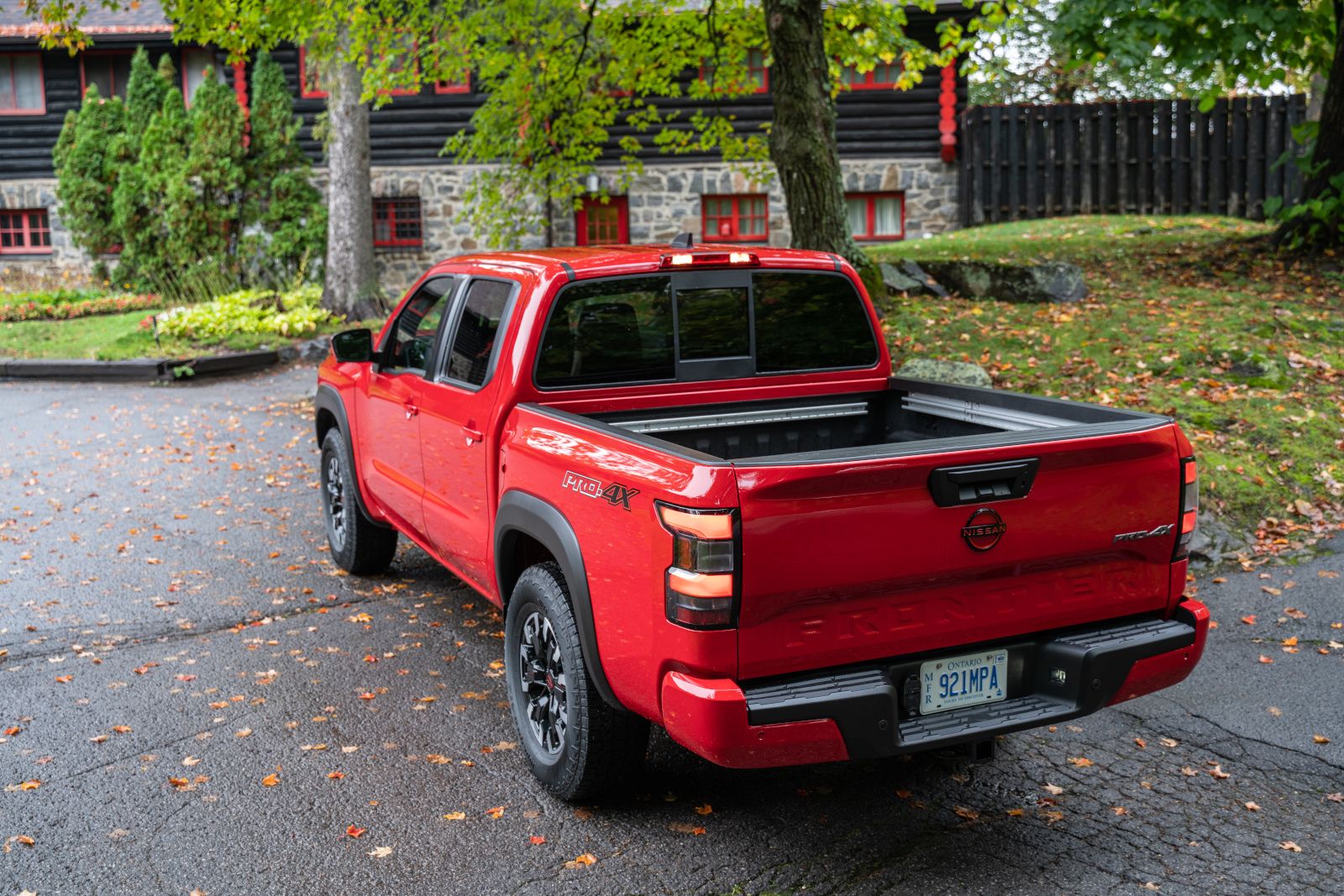
Winter tires excel in cold conditions but wear quickly on warm, dry pavement. As spring temperatures stabilize above 7°C, consider switching to all-season or summer tires if you use dedicated winter rubber. This protects your winter tires and ensures optimal performance in warmer weather.
Before removing winter tires, inspect them for remaining tread depth and any damage. Store them properly in a cool, dry location away from direct sunlight. Clean and dry the tires before storage to prevent deterioration.
Inspect your all-season or summer tires before installation. Check tread depth, looking for uneven wear patterns that might indicate alignment or suspension issues. Examine sidewalls for cracks, bulges, or other damage. Replace tires that show signs of excessive wear or damage.
Have your wheels balanced and your alignment checked during the tire changeover. Winter potholes can knock your alignment out of specification, leading to uneven tire wear and poor handling. Proper alignment extends tire life and improves fuel efficiency.
Clean and Protect Your Vehicle's Exterior
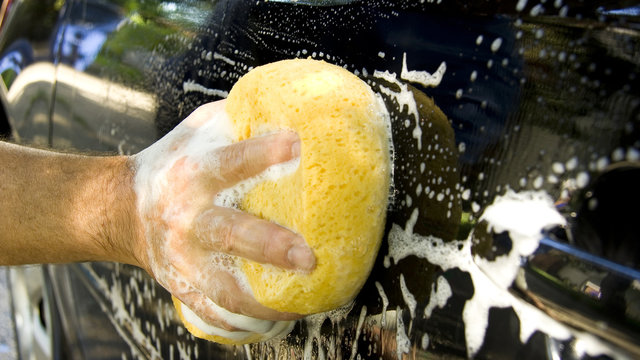
Road salt is corrosive and continues to damage your vehicle long after winter ends. A thorough spring cleaning removes salt residue from the body, undercarriage, and wheel wells. Pay special attention to areas where salt accumulates, including door jambs, hood hinges, and the underside of the vehicle.
Start with a high-pressure undercarriage wash to remove caked-on salt and debris. Follow with a complete exterior wash using automotive soap. Clean wheels and wheel wells thoroughly, as brake dust and salt together create a corrosive mixture.
After washing, inspect the paint for chips or scratches that expose bare metal. Touch up these areas promptly to prevent rust formation. Consider applying a coat of wax or paint sealant to protect the finish through spring and summer.
Clean and treat rubber seals around doors and windows. Winter weather can dry out these components, leading to leaks and wind noise. Apply a rubber conditioner to keep seals supple and effective.
Evaluate Visibility Systems and Technology Features
Clear visibility is essential for safe driving. Spring maintenance should include checking all exterior lighting, cleaning sensors and cameras, and ensuring technology features function properly.
The 2026 Pathfinder offers advanced visibility technologies that require clean sensors and cameras to operate correctly. Front Wide View provides a 180-degree view to the front and sides of the vehicle, helping you look past parked cars or see out of obscured garage entrances. Invisible Hood View provides a virtual view through the vehicle's hood and engine bay, helping you position the wheels precisely for navigating car wash tracks, drive-through curbs, and similar situations.
Before storing your winter wheels for the season, give them a thorough wash to remove accumulated road salt, brake dust, and grime. Salt left on wheels during summer storage accelerates corrosion and can pit alloy finishes. If you didn’t clean your summer wheels before storing them last fall, now is the time to remove the brake dust and road film that settled over autumn — aged brake dust bonds to wheel surfaces and becomes progressively harder to remove.
Clean all camera lenses and sensor surfaces carefully using a soft, damp cloth. Avoid abrasive materials that could scratch these components. Test all visibility and safety systems after cleaning to ensure they function as designed.
Replace wiper blades if they streak, skip, or show signs of damage. Winter conditions are hard on wiper blades, and fresh blades improve visibility in spring rain showers. Check that washer nozzles spray properly and adjust them if necessary.
Schedule Professional Inspection
While many spring maintenance tasks can be completed at home, a professional inspection provides peace of mind. A qualified technician can identify issues you might miss and ensure your Nissan is ready for the driving season ahead.
A comprehensive spring inspection should include checking brake components, testing battery health, inspecting belts and hoses, and verifying that all systems function correctly. The technician can also update software if necessary and address any recalls or service campaigns.
Keep detailed maintenance records for your vehicle. These records help you track service history, identify patterns, and maintain resale value. They also ensure you do not miss scheduled maintenance items that keep your warranty valid.
Prepare for Spring Driving Conditions
Spring brings its own challenges. Sudden temperature changes can create black ice on roads. Spring rain showers reduce visibility and traction. Frost heaves and potholes appear as the ground thaws.
Adjust your driving habits for spring conditions. Reduce speed on wet roads and increase following distance. Watch for potholes and avoid them when safe to do so. Be especially cautious during morning and evening hours when temperatures fluctuate around freezing.
Keep an emergency kit in your vehicle year-round. Include a first aid kit, flashlight, basic tools, jumper cables, and emergency contact information. Add items specific to spring conditions, such as rain gear and extra windshield washer fluid.
Learn More About Spring Maintenance
Spring maintenance keeps your Nissan performing reliably and protects your investment. From suspension inspection to fluid checks, these essential tasks prepare your vehicle for the driving season ahead. Contact Fredericton Nissan to schedule your spring maintenance appointment and ensure your vehicle is ready for the road.