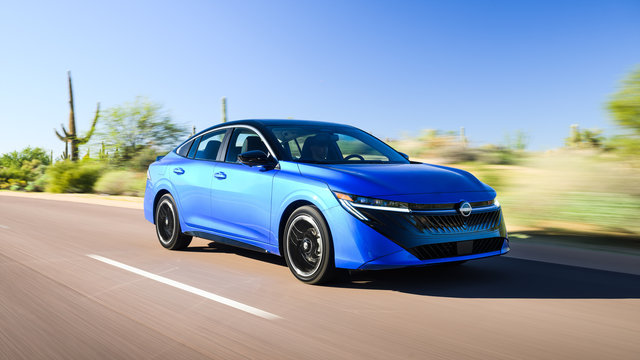
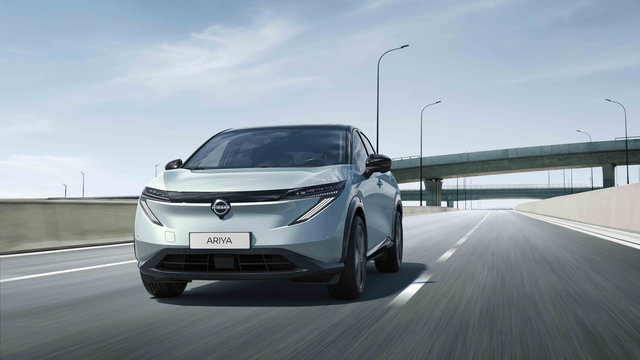
A daily commute wears on you in small ways: the stop-and-go traffic, the fatigue of a long straightaway, the fumbling for a cable at a red light. The 2026 Nissan Sentra was built around those small frictions. For New Brunswick drivers comparing compact sedans, here’s what actually matters once you’re behind the wheel every day.
1. A Standard Powertrain Built Around Efficiency
Every 2026 Sentra runs the same foundation: a 2.0-litre four-cylinder engine rated at 149 hp and 146 lb-ft of torque, paired with an Xtronic CVT retuned for smoother, more natural acceleration. Idle stop/start comes standard, cutting fuel use during red lights and stalled traffic.
Fuel economy shifts slightly by trim, mostly due to wheel size and weight.
|
Trim
|
City
|
Highway
|
Combined
|
|
S / SV
|
7.9 L/100km
|
6.1 L/100km
|
7.1 L/100km
|
|
SR
|
8.0 L/100km
|
6.4 L/100km
|
7.2 L/100km
|
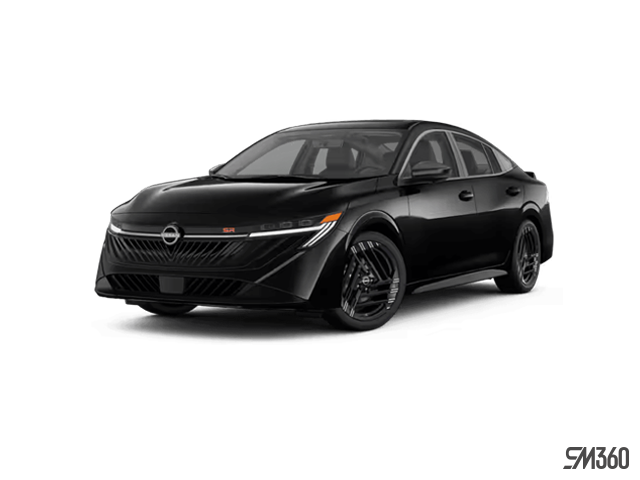
The gap is small, but it means the SR’s 18-inch wheels and sportier tuning trade a touch of efficiency for road presence.
2. Cruise and Driver-Assist Tech That Cuts Commuting Fatigue
Intelligent Cruise Control comes standard on every Sentra grade, holding a set following distance without constant pedal adjustments. Blind Spot Intervention, Lane Departure Prevention, and Intelligent Forward Collision Warning are also standard across S, SV, and SR.
Step up to the SR Premium package and ProPILOT Assist becomes available, combining acceleration, braking, and steering support for stop-and-go highway stretches. That same package adds Digital Around View Monitor with Moving Object Detection, easing tight parking manoeuvres, and optional Rear Automatic Braking for reversing out of spots.
3. Chassis and Cabin Tuning That Calm a Long Drive
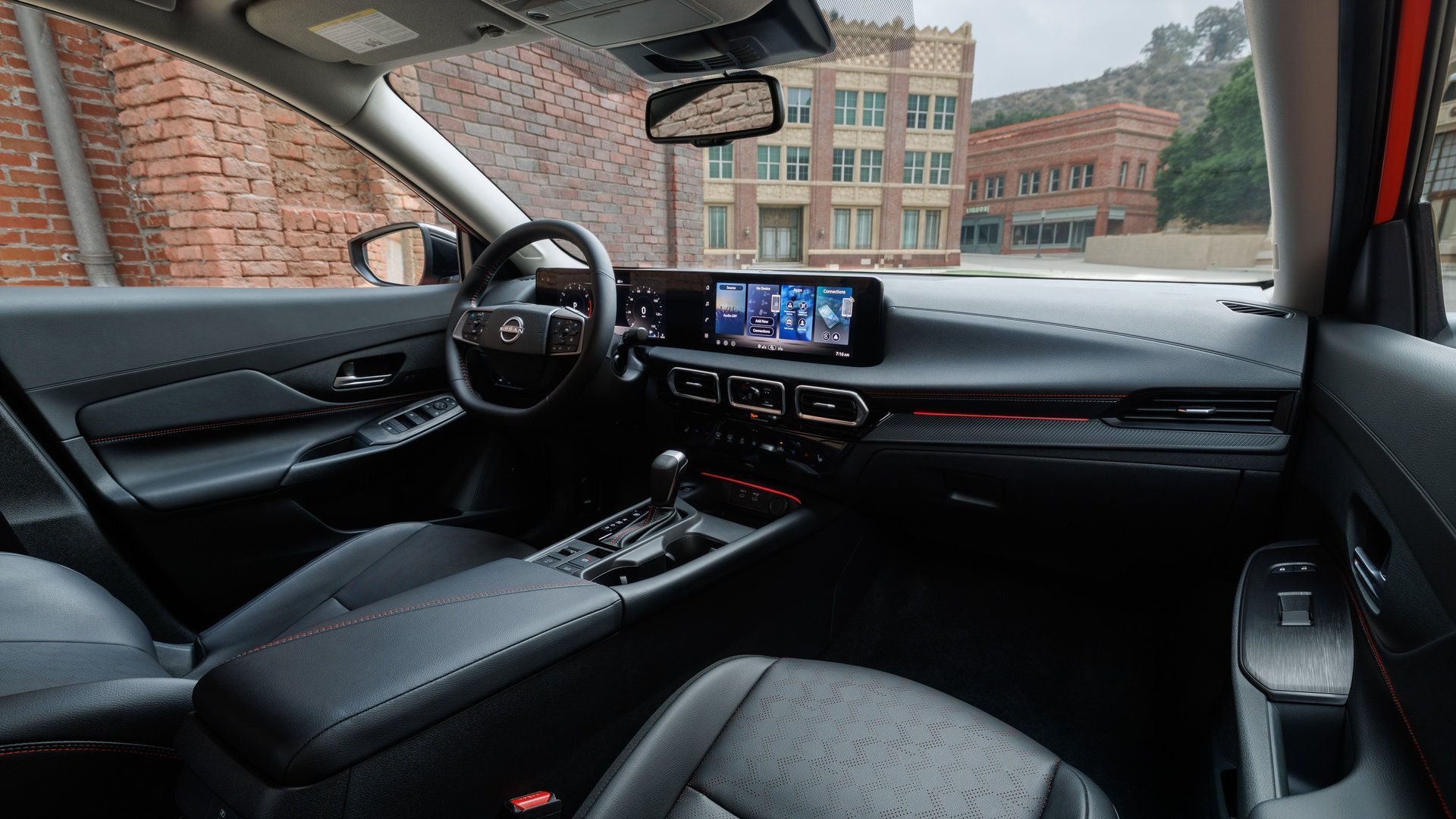
The Sentra’s independent strut front and multi-link rear suspension, paired with retuned shock absorber valving, are built to mute bump harshness rather than transmit it into the cabin. Rear disc brakes come standard on every trim for consistent stopping feel.
The steering wheel uses an enlarged dynamic damper to reduce road vibration reaching the driver’s hands. Combined with reinforcements to the unibody, the result is a cabin that stays quieter and more composed over a long highway stretch than a chassis update alone would suggest.
4. Cabin Tech and Trim Choices That Add Comfort Without Losing the Point
Every Sentra gets a 12.3-inch NissanConnect touchscreen and three USB-C ports (two front, one rear charge-only), so passengers can charge devices without hunting for an adapter. Heated front seats are standard across S, SV, and SR.
Move from S to SV and automatic climate control, remote engine start, and a heated steering wheel join the cabin, along with an available wireless charger. SR adds dual-zone climate control and makes that wireless charger standard. Rear seats fold 60/40 across every trim, keeping the five-passenger cabin flexible for a solo commuter who occasionally needs the trunk extended.
For a New Brunswick commuter who wants the lowest-friction daily drive, the S and SV keep the efficiency story intact. For someone who wants ProPILOT Assist and dual-zone comfort layered on top, the SR is where that trim progression lands, without changing the powertrain underneath.
Finding the Right 2026 Sentra for Your Commute
The 2026 Nissan Sentra pairs a standard 149-hp engine and retuned CVT with driver-assist features and cabin tech that scale up through the S, SV, and SR trims. The efficiency case stays consistent no matter which grade you choose.
Visit Fredericton Nissan in Fredericton to sit in the 2026 Sentra and compare the S, SV, and SR trims for your daily route through New Brunswick.