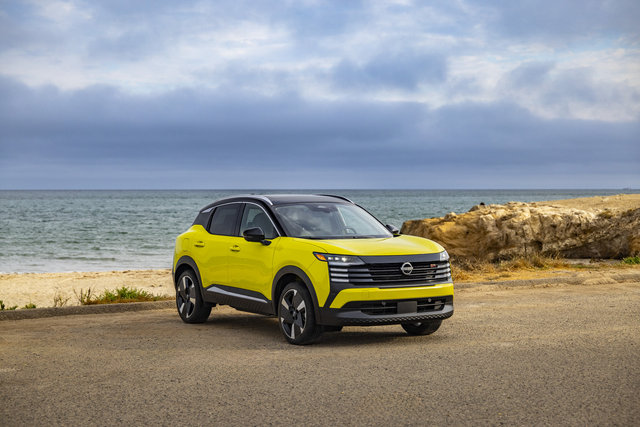
Cargo space is one of the first numbers shoppers check on a small SUV. For the 2026 Nissan Kicks, the answer depends on one choice: front-wheel drive or Intelligent All-Wheel Drive.
The figures below come from Nissan’s specification sheets. They show how much room sits behind the rear seats, how much opens up when you fold them, and which grades fit each drivetrain.
The Numbers Behind the Rear Seats
With the rear seats up, the S grade with front-wheel drive holds 849.5 L. The SV grade with front-wheel drive holds 826.9 L. Every Kicks with Intelligent All-Wheel Drive, whatever the grade, holds 676.8 L.
Fold the rear seats down and the space grows. The S with front-wheel drive reaches 1,699.6 L, and the SV with front-wheel drive reaches 1,657.5 L. All-wheel-drive models reach 1,418.7 L.
Why the Drivetrain Changes the Number
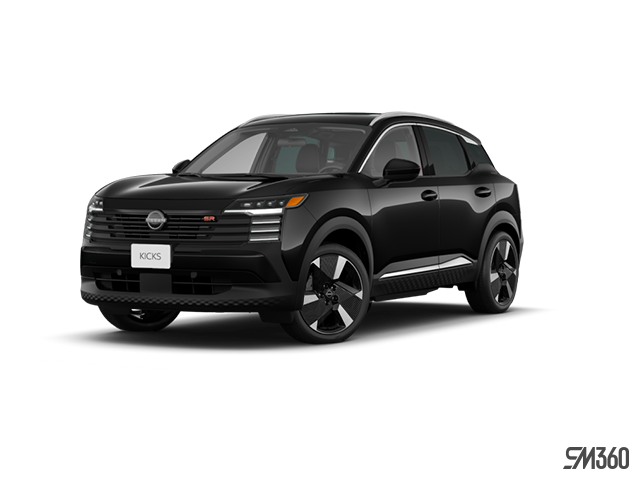
The Kicks lineup in Canada is S, SV and SR. The S and SV can be had with either drivetrain, while the SR comes with Intelligent All-Wheel Drive only. Models with all-wheel drive use a multilink rear suspension and a fixed cargo floor with an underfloor storage system.
The SV with front-wheel drive has an adjustable rear cargo storage floor, and the SR includes a cargo cover.
Cargo Volume by Grade and Drivetrain
|
Grade and drive
|
Behind rear seats
|
Rear seats folded
|
|
S, front-wheel drive
|
849.5 L
|
1,699.6 L
|
|
SV, front-wheel drive
|
826.9 L
|
1,657.5 L
|
|
S, all-wheel drive
|
676.8 L
|
1,418.7 L
|
|
SV, all-wheel drive
|
676.8 L
|
1,418.7 L
|
|
SR, all-wheel drive
|
676.8 L
|
1,418.7 L
|
What Else Comes With All-Wheel Drive
Intelligent All-Wheel Drive adds a Snow drive mode to the selector, so the choices become Normal, Eco, Sport and Snow. The Kicks has 214.2 mm of ground clearance on every grade. Those two items are the reason many shoppers accept a smaller cargo area.
Fuel economy also differs by drivetrain. Front-wheel-drive models are rated at 8.1 L/100 km in the city and 6.6 L/100 km on the highway, while all-wheel-drive models are rated at 8.5 L/100 km and 6.9 L/100 km.
Choosing the Right Setup
Think about what you carry most often.
- Choose front-wheel drive if you want the largest cargo area. The S and SV give you 849.5 L and 826.9 L behind the rear seats, and a fold-down option for longer items.
- Choose all-wheel drive if you want the Snow drive mode and the extra grip. You still get 676.8 L behind the seats.
- Choose the SR if you want the most equipment. It comes with all-wheel drive, a 12.3-inch colour meter, ProPILOT Assist and an Intelligent Around View Monitor with Moving Object Detection.
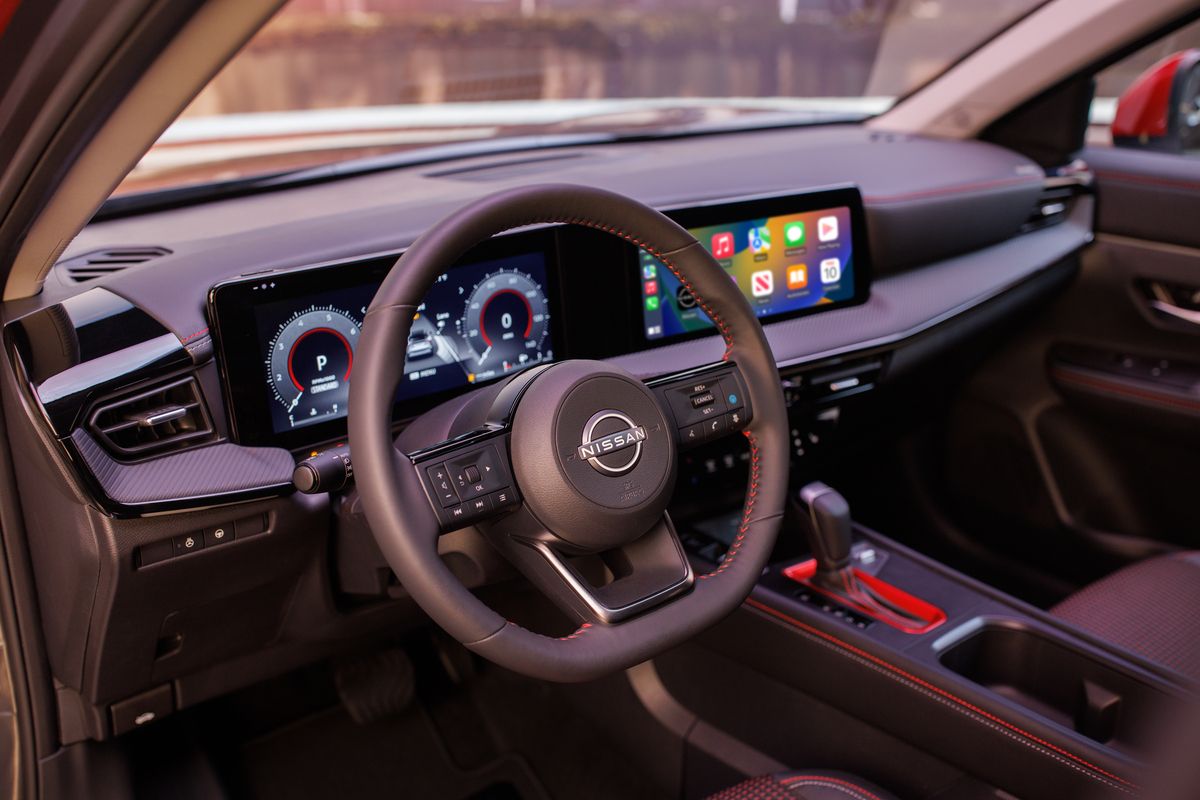
Every Kicks has a 12.3-inch touchscreen, wireless Apple CarPlay and wireless Android Auto, Rear Door Alert and Easy-Fill Tire Alert.
Packing Tips for a Subcompact SUV
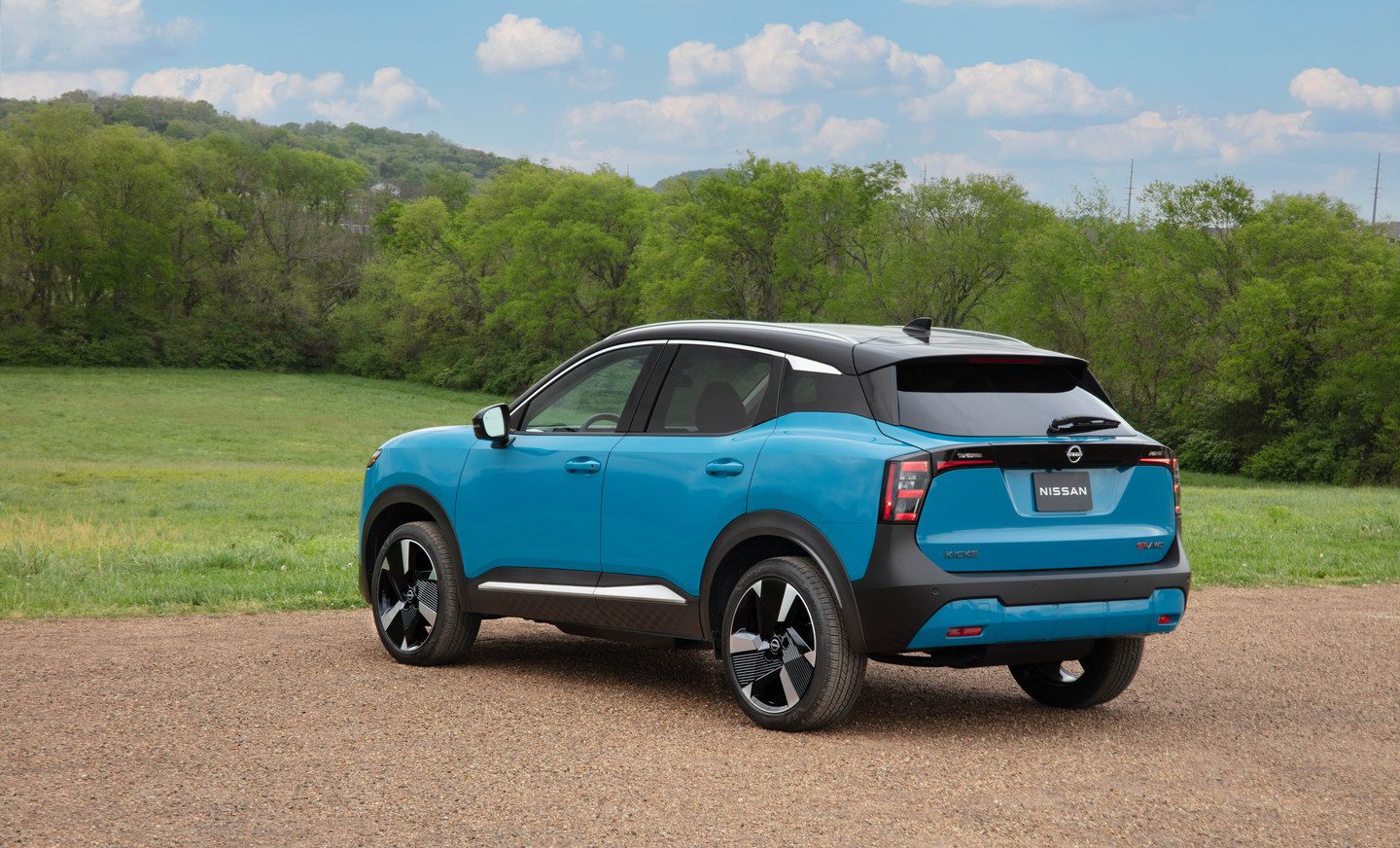
Cargo volume is easier to judge once you picture what you carry each week. A few ideas help you match the numbers to your life:
- Measure the largest item you carry often, such as a stroller, a hockey bag or a cooler, and compare it with the cargo area in person.
- Think about how often you fold the rear seats. If you do it weekly, the folded volume matters more than the figure behind the seats.
- Ask about the adjustable cargo floor on the SV with front-wheel drive and the cargo cover on the SR.
Every Kicks has a 12.3-inch touchscreen with wireless Apple CarPlay and wireless Android Auto, and Nissan Safety Shield 360 is part of the package. Ground clearance is 214.2 mm on every grade.
See the Space for Yourself
Loading your own gear is the best way to judge a cargo area. Bring your stroller, your hockey bag or your groceries to Fredericton Nissan in Fredericton and try the 2026 Nissan Kicks cargo area.