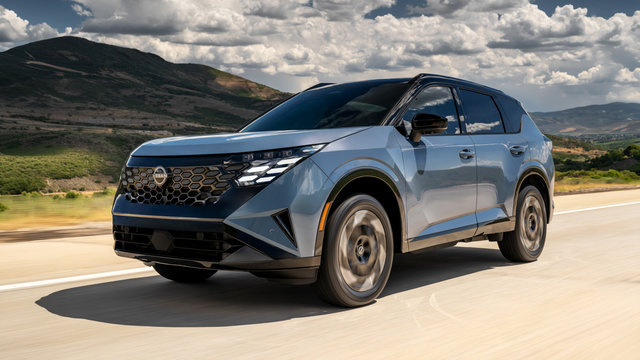
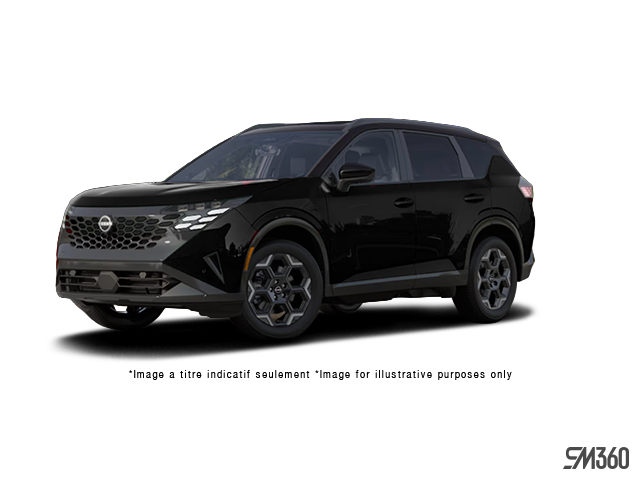
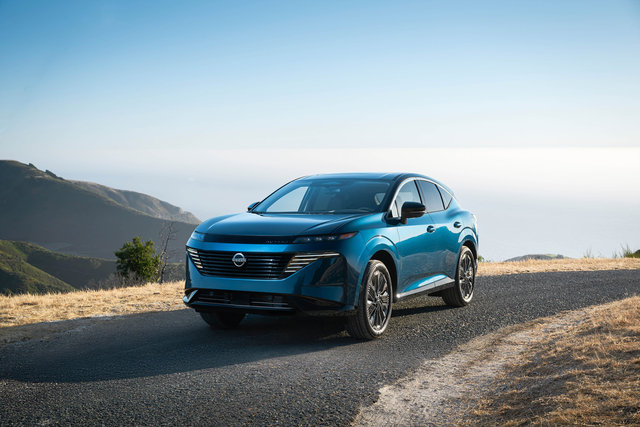
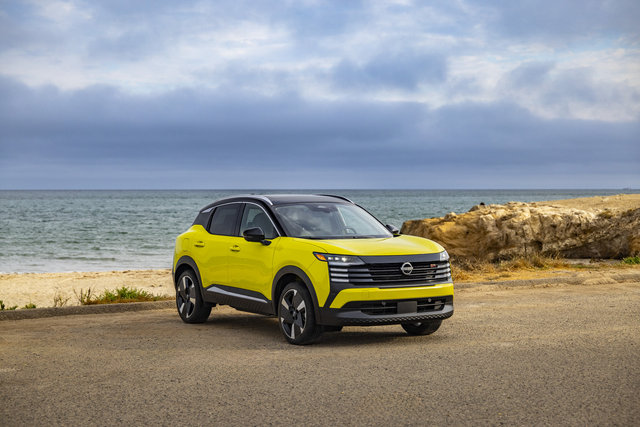
Most people hear “electrified” and think of a charging cable. The 2027 Nissan Rogue Hybrid skips that step. It has no plug, and you refuel it at the gas pump like any other SUV.
So where does the electricity come from? The answer is a system Nissan calls e-POWER, and it works differently from the hybrids most Canadians know. Here is the idea in plain terms.
The Gas Engine Is a Generator
In the Rogue Hybrid, the gasoline engine never turns the wheels. It spins a generator that makes electricity for the battery and the motors. The engine is a 1.5 L turbocharged unit tuned for quietness and efficiency, and Nissan says the system reaches 42% thermal efficiency.
Because the engine only has to generate power, it can shut off completely when the battery holds enough charge. In city and suburban driving, speeds are lower and the battery demand is modest, so the engine runs less often. On highways or under heavy load it runs more often to keep the battery topped up.
Two Electric Motors Drive the Wheels
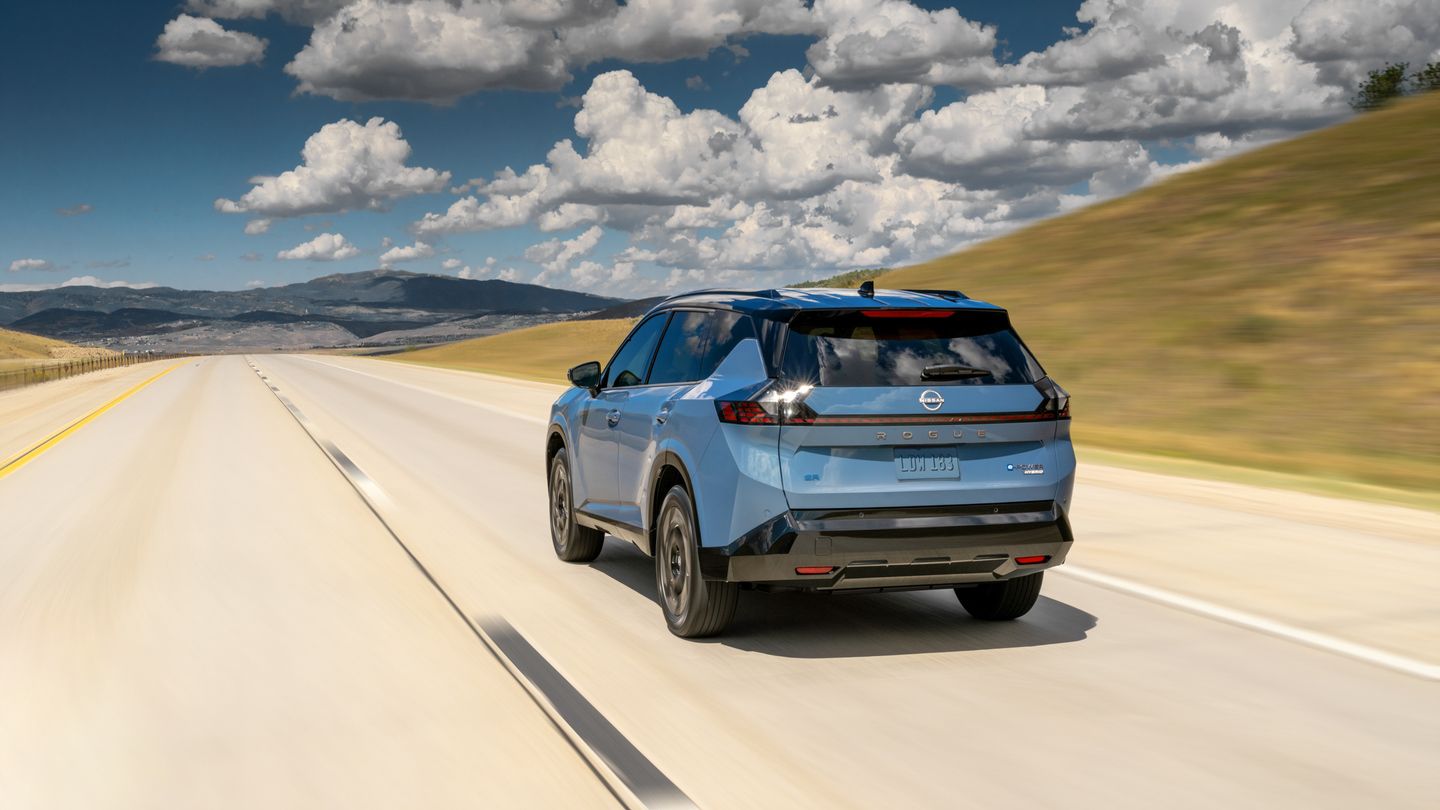
Two electric motors turn the wheels directly. There is no transmission to shift, so acceleration is smooth and the torque arrives right away. Combined system output is 225 horsepower, and every Rogue Hybrid has dual-motor electric all-wheel drive.
Most hybrids sold in Canada use a parallel design, where the engine and the motors can both drive the wheels. e-POWER is a series hybrid. Nissan has used the idea since 2016, and nearly 2 million vehicles with e-POWER have been sold in 68 countries.
The Battery Gets Help From Braking
The lithium-ion battery stores energy from two sources: the engine and regenerative braking. When you slow down, the motors capture energy that would otherwise turn into heat and send it back to the battery.
Two braking features make this easier to use:
- e-Pedal: lift off the accelerator and the Rogue Hybrid slows, all the way to a full stop.
- Smooth Stop: the system adjusts brake pressure at the end of a stop to reduce head-toss.
Both help most in stop-and-go traffic.
What It Means at the Pump
Nissan estimates fuel economy at up to 5.9 L/100 km in the city and 6.2 L/100 km combined, based on internal Nissan testing. That is the number to compare against other compact SUVs.
Key Takeaways
|
Question
|
Answer
|
|
Does it plug in?
|
No. You refuel it with gasoline.
|
|
What does the gas engine do?
|
It runs a generator and shuts off entirely when the battery has enough charge.
|
|
What turns the wheels?
|
Two electric motors, with no transmission.
|
|
How much power does it make?
|
225 horsepower combined.
|
|
What is the drivetrain?
|
Dual-motor electric all-wheel drive on every Rogue Hybrid.
|
|
Estimated fuel economy
|
Up to 5.9 L/100 km city, 6.2 L/100 km combined
|
Everyday Details Worth Knowing
Cargo space reaches 880.7 L with the second-row seats up and 1,866.1 L with them lowered. Zero Gravity seats sit in the front and rear outboard positions, wireless Apple CarPlay and wireless Android Auto are standard, and the rear doors open nearly 90 degrees for easier access to car seats.
How It Compares With a Plug-In
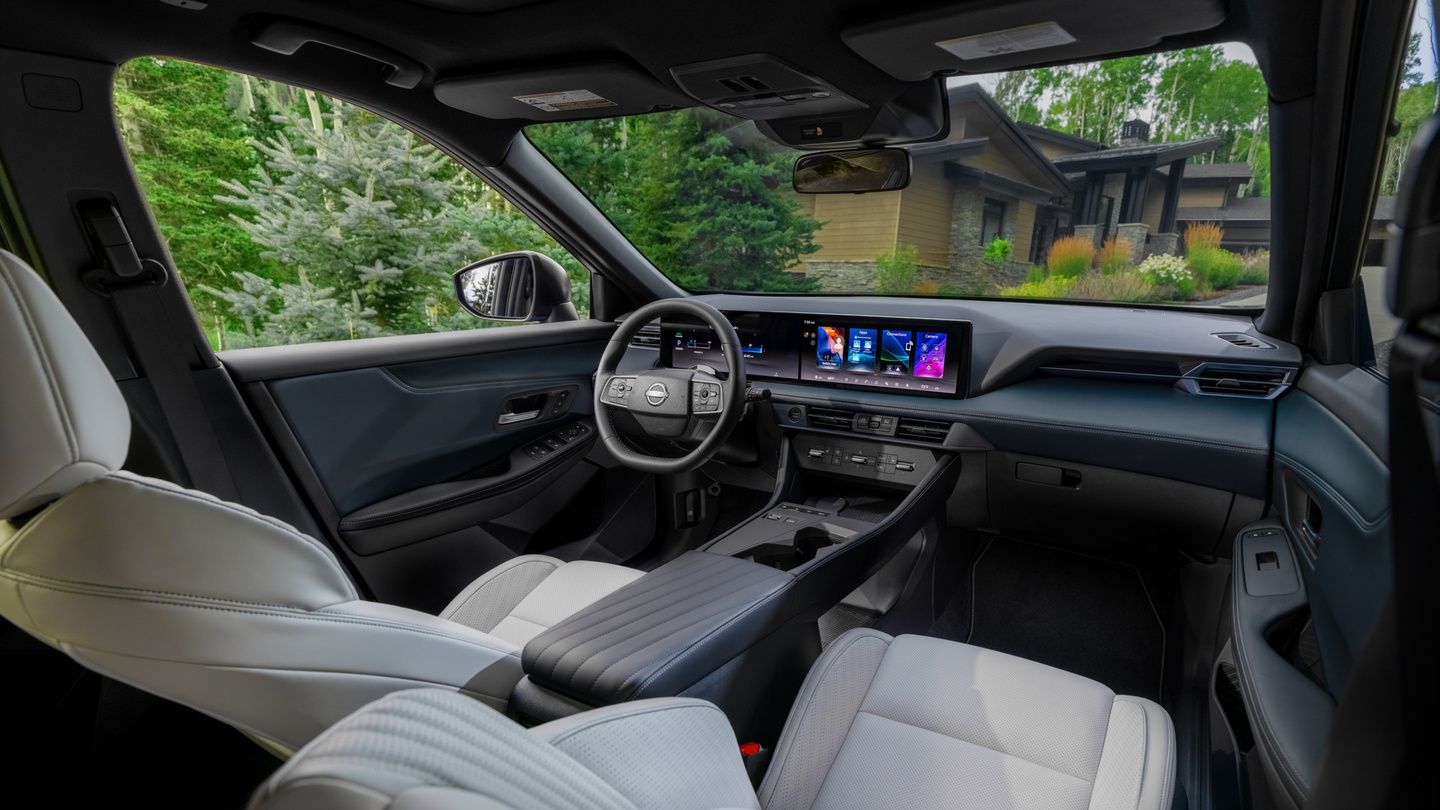
A plug-in hybrid asks you to charge at home or on the road to get its electric-only driving. The 2027 Rogue Hybrid works differently. Its battery stays charged by the generator engine and by energy recovered while slowing down, so the routine is the same as any gas-powered SUV: fill the tank and drive. There is no charging cable to carry and no charging schedule to plan.
Nissan has built e-POWER across three generations and sold nearly 2 million vehicles with it in 68 countries since 2016. Engineers tuned the Rogue Hybrid’s system for North American driving conditions, speeds and road surfaces.
Learn More at Fredericton Nissan
If you have more questions about how e-POWER works, the team at Fredericton Nissan in Fredericton is glad to talk it through. Visit us in Fredericton to learn more about the 2027 Rogue Hybrid.